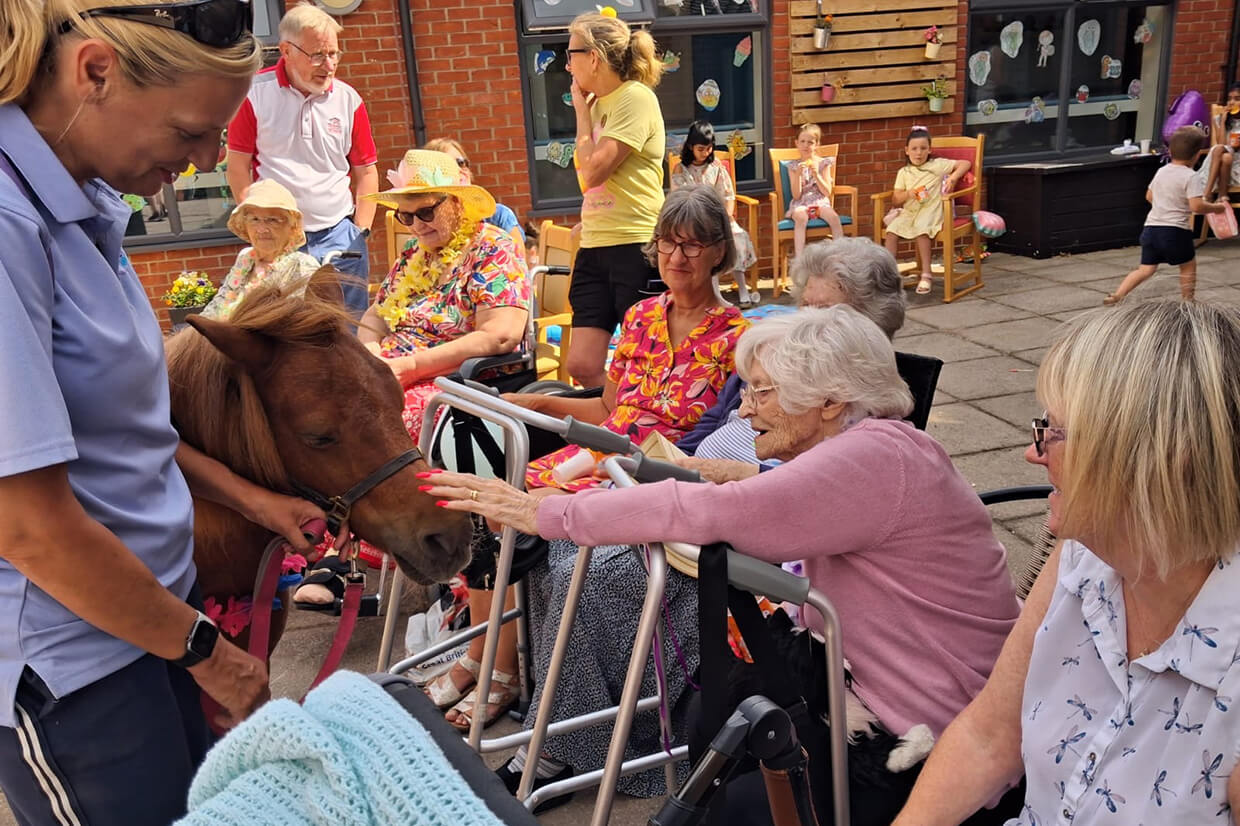
On an ordinary weekday morning in one of our lounges, a balloon is being batted back and forth across a circle of chairs, someone is laughing, someone else, who said they would rather just watch, has quietly joined in.
Down the corridor, a resident is having her nails painted and talking about her wedding day. This is activities life at Red Homes. Not the occasional big event, but something happening every day, in every corner of the home, full of the small moments that make a difference.
We think of activities as part of care, not an addition to it. A day with nothing in it is a long day, and the difference between existing somewhere and living there often comes down to whether anyone knows what you enjoy. Across our three homes, that is what our activities teams spend their time finding out.
It starts with knowing people.
Before anything is planned, our coordinators get to know the person. New residents complete a life history form with their family, which is often the beginning of a much longer conversation. Alongside that sit regular one-to-one sessions, where residents choose what they would like to do.
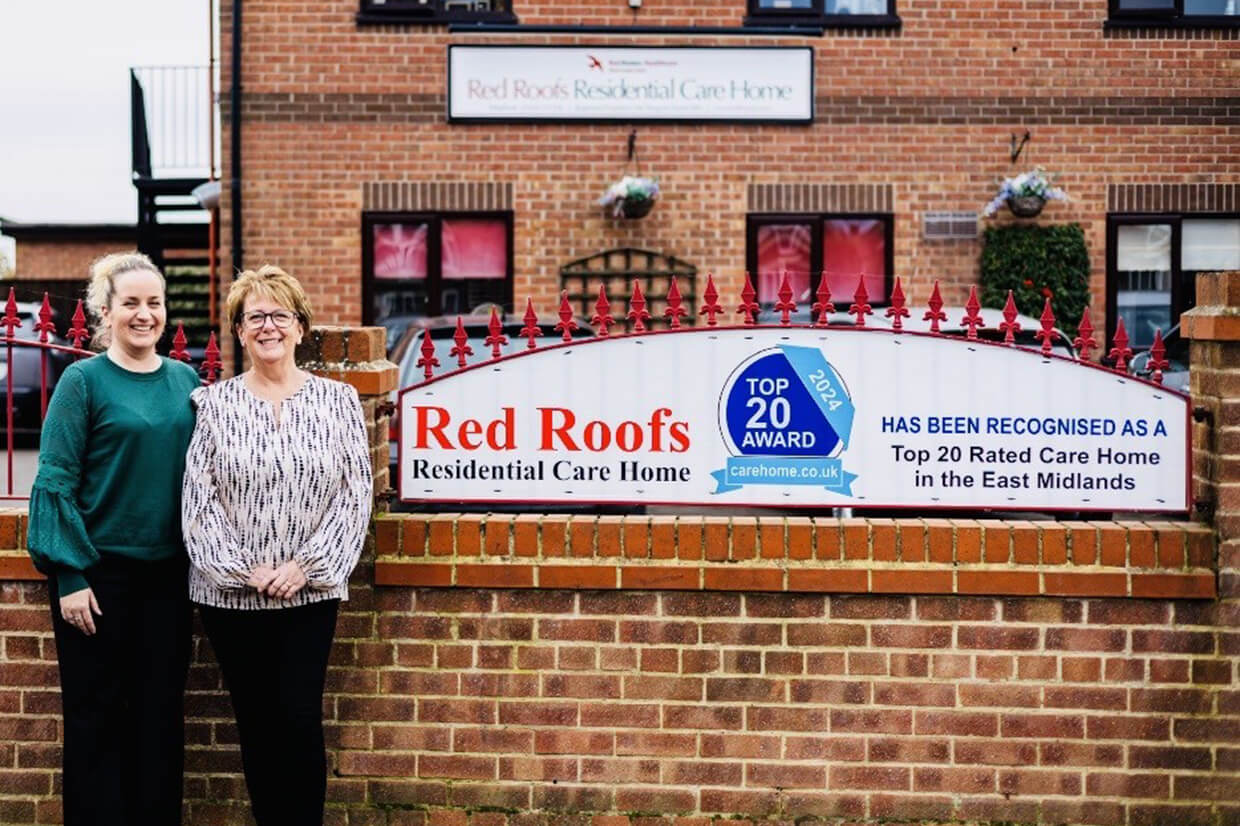
For Caroline and Charlotte, who coordinate activities at Red Roofs and Red Rose, those sessions are the best part of the job. Residents often talk about their families and the things they have done in the past, and hearing it is a privilege as well as the surest way to understand what someone will enjoy.
Charlotte has been at Red Rose for eight years, and she loves listening to each person’s life story and getting to know them as an individual and as a friend. As she puts it, being in a care home is not the final chapter: it is a new one just starting.

A different day for everyone
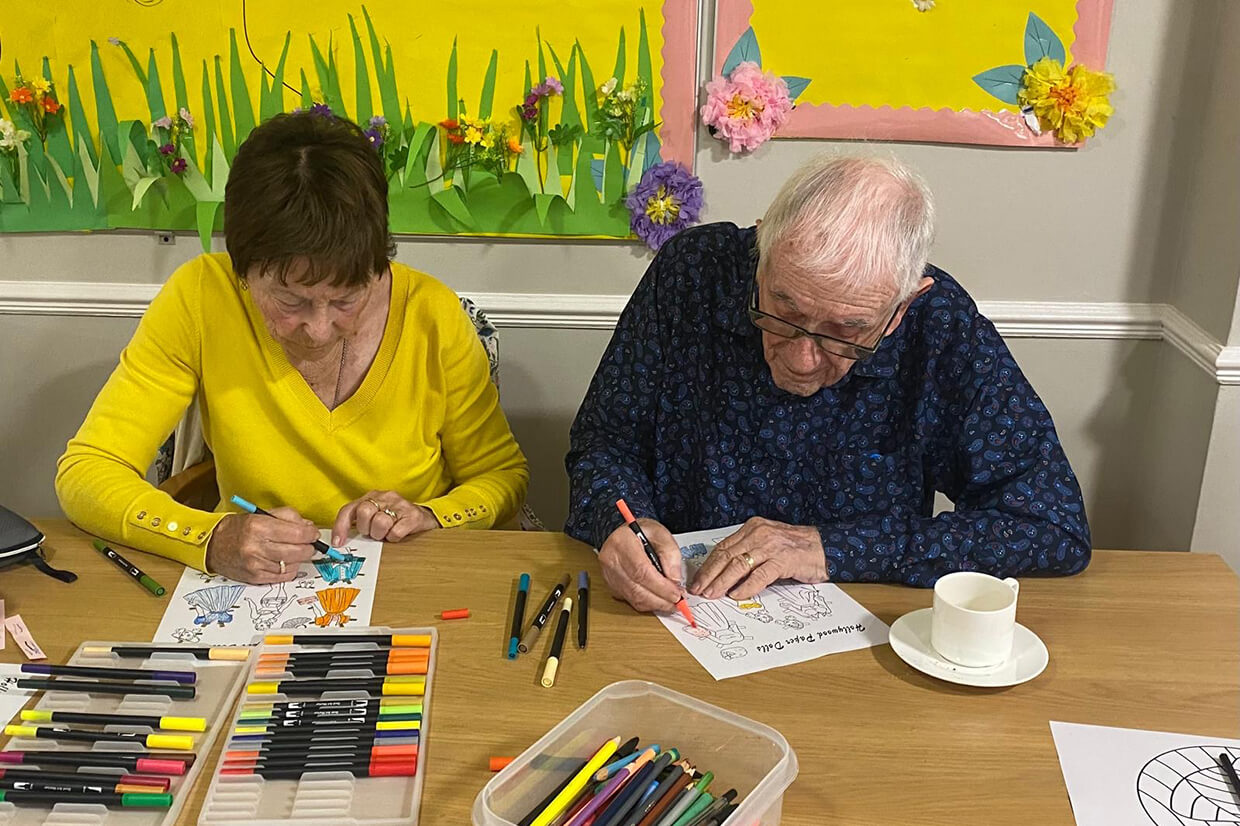
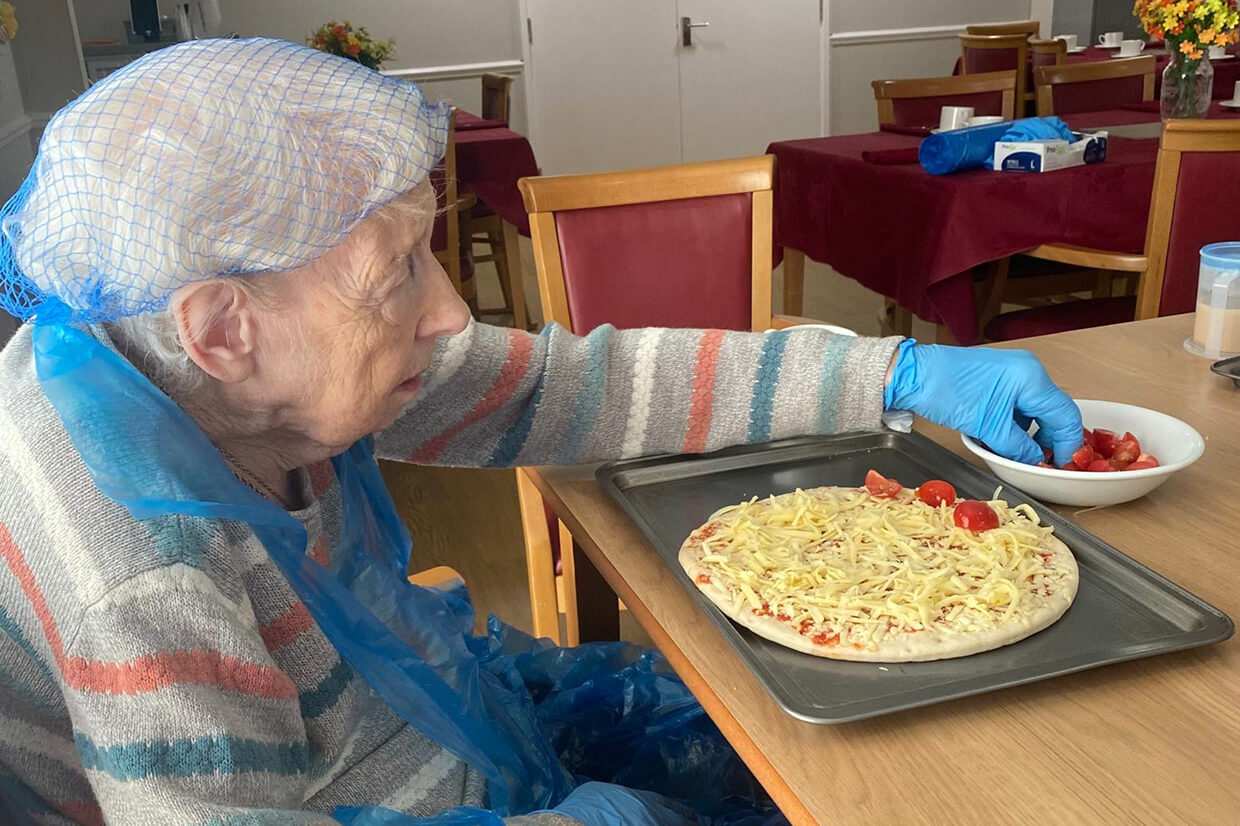
What follows from all that listening is variety. In any given week our homes might be baking, colouring, threading beads and wire into small toys, or making paper flowers to brighten the morning displays. There are jigsaws for those who like something absorbing and quiet, films together in the lounge for an afternoon that asks nothing of anyone, and plenty of games: bowling, snakes and ladders on boards big enough to gather round, balloon tennis, and cards.
Our Tiny Tablets have added something too. These large interactive touchscreen tables work just as well for a quiet session with one person as for a group, and residents enjoy everything from quizzes and dominoes to sing-alongs. The sensory and reminiscence content has been particularly valuable for residents living with dementia, helping them feel calm and relaxed while gently encouraging happy memories and conversation.
Ensuring everyone can join in
The details matter more than the activity. Our playing cards are oversized, so less people are left squinting or waiting to be told what they are holding. When there is a colouring session, there are different pictures to choose from, so the activity suits every ability in the room, and everyone finishes with something they are pleased with. A balloon moves slowly enough that people can reach it.
None of this is complicated, but it is deliberate.
An activity that half the room cannot take part in is not really an activity: it is a performance. Our aim is that whatever is happening, there is a way in for everybody, whether that means joining the circle, watching from a comfortable chair nearby, or doing something else altogether with someone at their side.
Feeling like yourself
Some of what we do is not really about occupation at all. Nail painting and hairdressing are among the most popular things in our homes, and they matter because they have nothing to do with care needs. Looking and feeling like yourself is part of wellbeing. So is being asked what colour you would like.
Why it matters
The value of any of this rarely sits in the activity itself. It is in the conversation that starts over a jigsaw, the memory that surfaces during a song, the resident who surprises themselves by enjoying something they were sure was not for them.
Caroline sums up her approach simply: do everything from your heart and brighten as many people’s lives as you can. Charlotte remembers dancing with a resident at a Christmas party years ago, and being told long afterwards how much that dance had meant, and how often it was thought of since. Neither was a grand occasion. Both are exactly the point.